 Häcken Hub
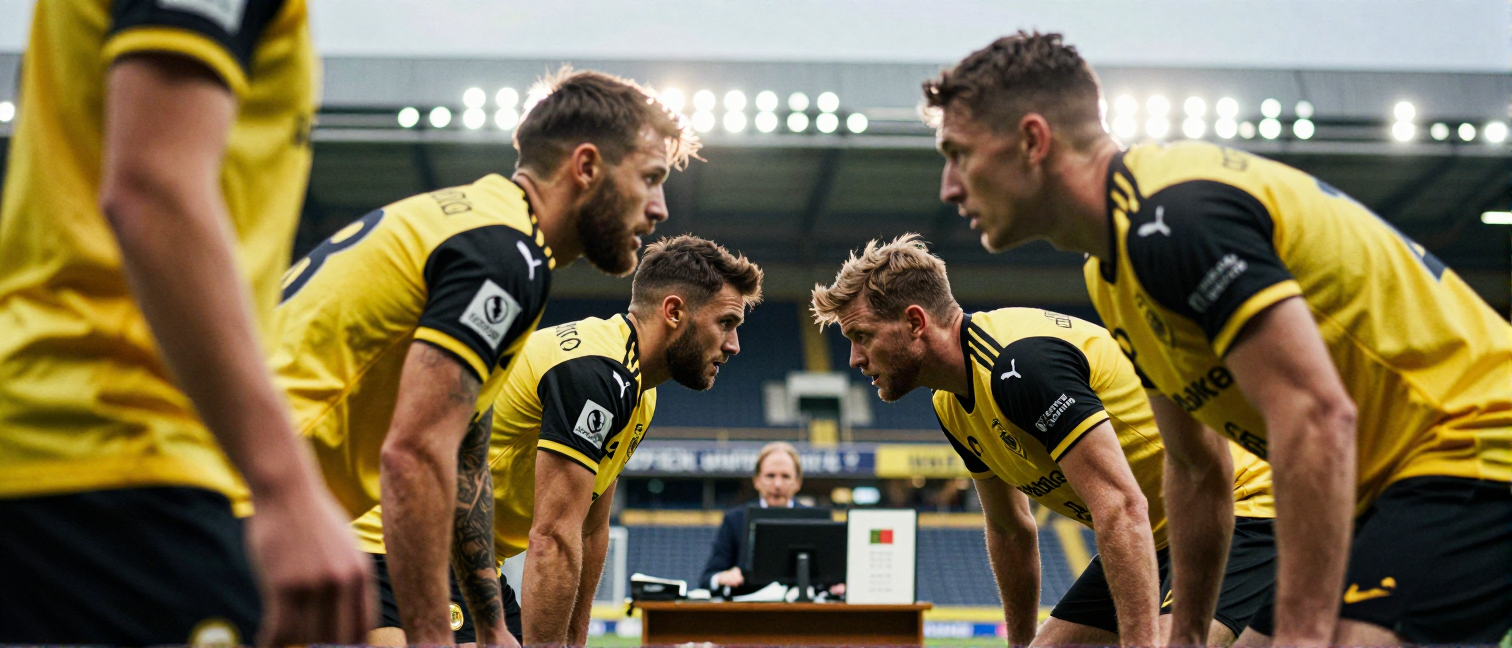
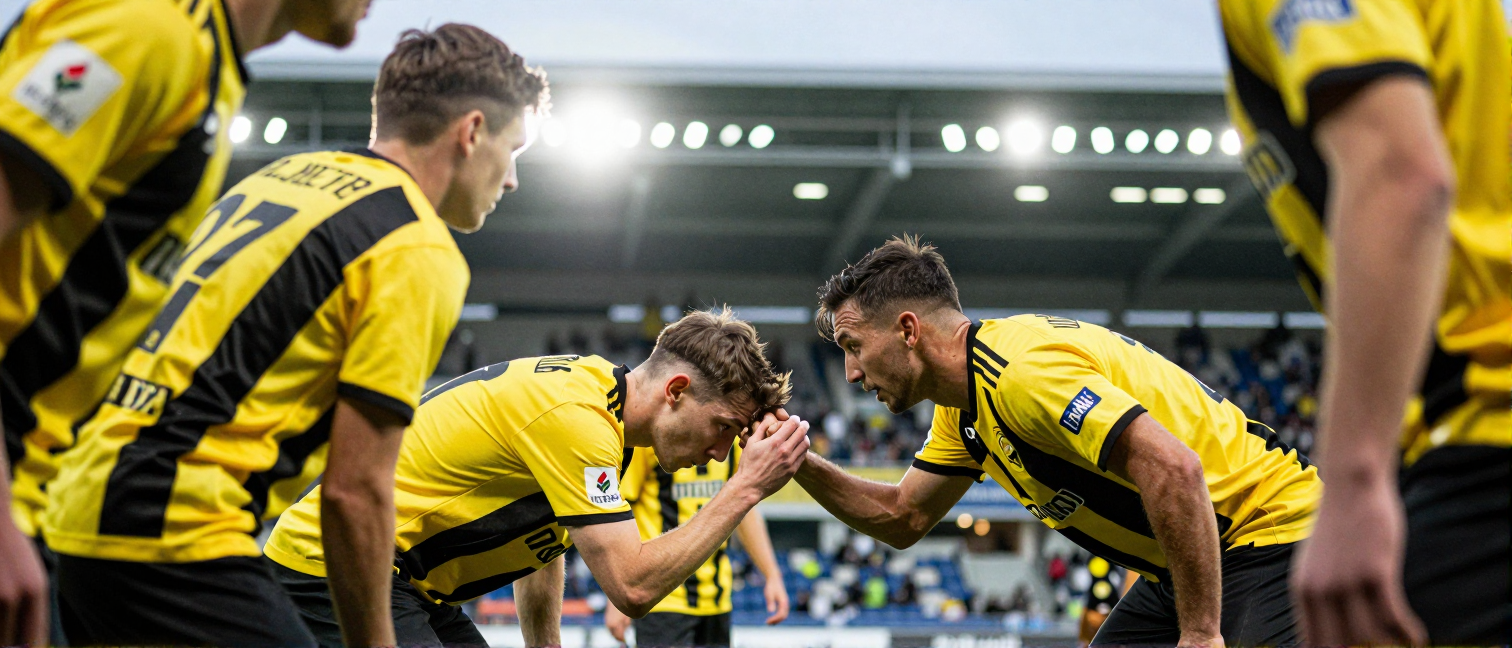
The year 1979 marked an important time in BK Häcken's history as the club made its debut in Allsvenskan after battling its way up through the divisions. It was a season that was not just about surviving in the top league but also about establishing an identity that would become synonymous with the club and its supporters, the Björnarna.
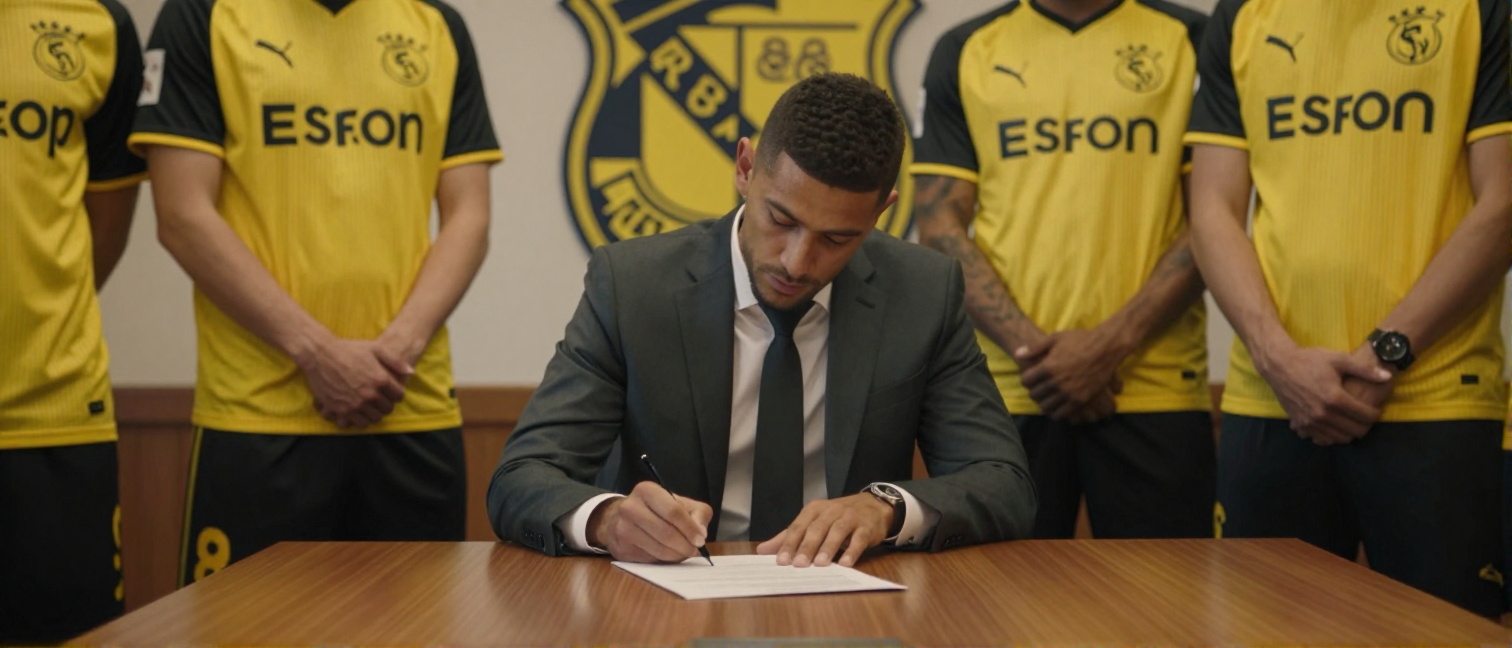
Häcken, long known for their fighting spirit and tenacity, proved to be more than just an underdog. Under the guidance of coach Bosse Johansson, the team managed to assemble a strong squad of players who combined talent with hard work. One of the most memorable players that year was midfielder Mats "Målis" Jansson, whose energy and passion for the game became a symbol of the team's spirit.
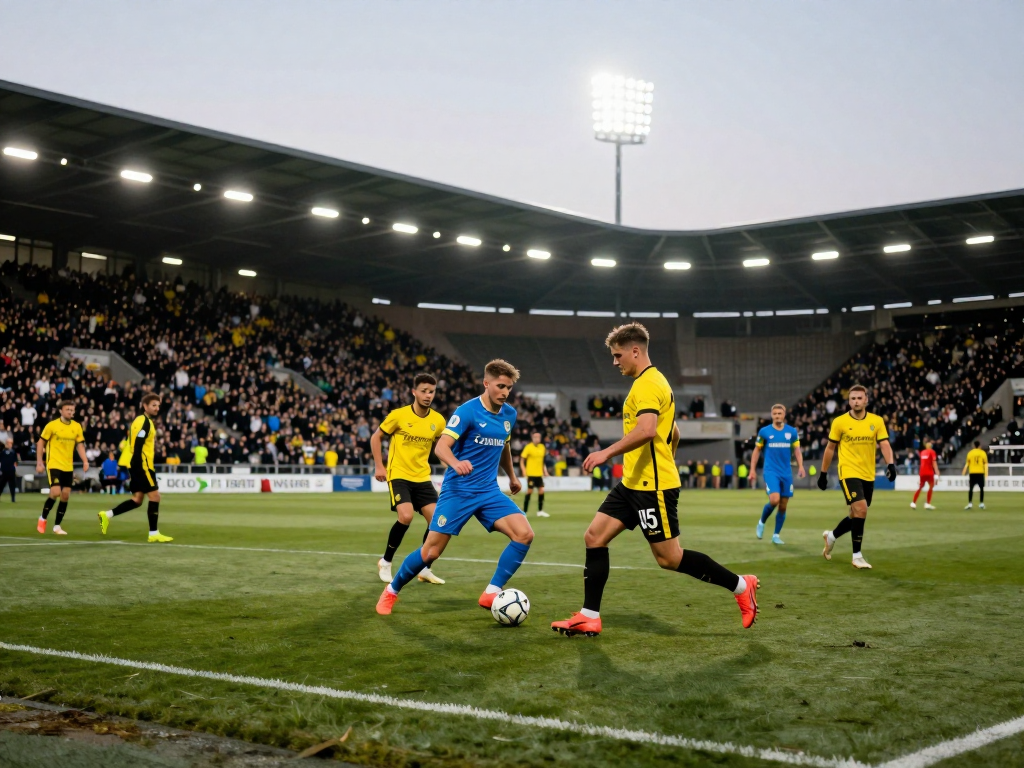
The season was filled with drama and excitement. Häcken started with a tough beginning but quickly found their rhythm. The matches at Bravida Arena became a celebration for the supporters, with an atmosphere that was electric. It wasn't just the play that impressed, but also the way the team fought together when adversity struck. Every point was a testament to their determination, and the fighting spirit that characterized the team won hearts even among opposing supporters.
One of the highlights of the season was the victory against rivals IFK Göteborg. That match became a symbol of Häcken's awakening, as they showed they could stand against the big names in Swedish football. It was not only a victory on the pitch but a triumph for the entire club and its supporters. The feeling of community and pride that permeated that day is still alive in the memories of many older fans.
Despite finishing in mid-table that year, it was clear that Häcken had taken a step forward. 1979 laid the groundwork for future successes and created a sense of hope and expectation for the next season. Fans began dreaming of new possibilities, and Häcken became a part of the Swedish football landscape in a way that had not been possible before.
Häcken 1979 is more than just a season; it is a story of resilience, community, and a club that emerged from the shadows of the bigger teams. As we look back at that year, we can proudly say that it was the beginning of a new era for the Björnarna.